Innovation in the Notebook Industry: Technics and Technology
The notebook industry has undergone significant transformation over the years, driven by advancements in technology and innovative manufacturing techniques. As consumers seek products that are not only functional but also sustainable and personalized, manufacturers are adapting to these evolving demands. This article delves into the latest innovations in the notebook industry, focusing on the technological advancements and techniques reshaping the landscape.
Smart Notebooks: Bridging Digital and Analog
One of the most notable innovations in the notebook industry is the rise of smart notebooks. These products integrate digital technology with traditional writing methods, allowing users to digitize their notes seamlessly. Brands like Rocketbook and Moleskine have pioneered this trend, offering notebooks that can connect to various applications via QR codes or special pens. Users can write on the pages and, with a simple scan or upload, transfer their handwritten notes to cloud storage. This technology caters to tech-savvy consumers who want to maintain the tactile experience of writing while enjoying the conveniences of digital organization.
Sustainable Materials: Eco-Friendly Innovations
As environmental concerns grow, the notebook industry is responding with sustainable practices and materials. Manufacturers are increasingly sourcing recycled paper and eco-friendly covers, such as those made from organic cotton or biodegradable plastics. Innovations in ink technology also contribute to this trend, with plant-based inks gaining popularity for their lower environmental impact. Brands like Leuchtturm1917 and Paperblanks are leading the charge by incorporating sustainable materials into their products, appealing to eco-conscious consumers without compromising on quality.
Customization and Personalization: Meeting Individual Needs
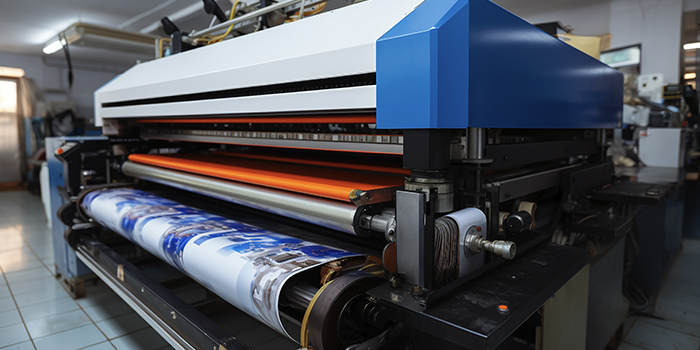
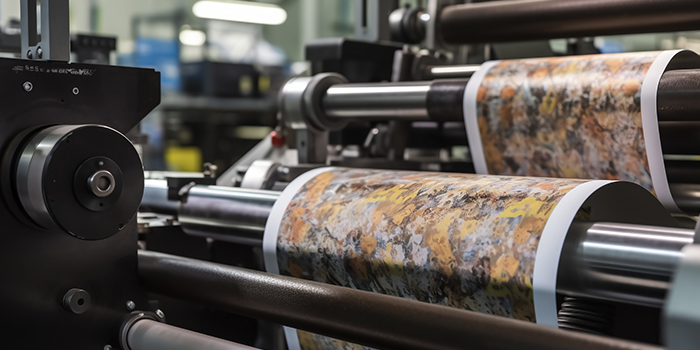
The demand for personalized products has surged, and notebook manufacturers are leveraging technology to meet this need. Advanced printing techniques, such as digital printing and embossing, allow for customized designs, colors, and logos. This level of personalization extends to the pages as well, with options for lined, dotted, or blank layouts tailored to different writing styles. Companies like Canva and Vistaprint are making it easy for consumers to design their notebooks online, showcasing a shift toward individual expression in stationery.
Enhanced Binding Techniques: Durability and Functionality
Technological advancements in binding techniques have also played a crucial role in notebook innovation. Traditional methods like spiral binding and sewn binding are being refined to enhance durability and usability. For instance, double-wire binding provides a secure yet flexible spine that allows notebooks to lay flat, making writing easier. Additionally, the introduction of new materials for covers, such as PU leather and recycled plastics, offers durability and aesthetic appeal. These innovations not only improve the lifespan of notebooks but also cater to various consumer preferences.
Integration of Augmented Reality (AR)
Augmented Reality (AR) is making its way into the notebook industry, offering interactive experiences that enhance traditional writing. Some brands are developing notebooks that come to life when viewed through a smartphone app. Users can unlock educational content, tutorials, or visual aids that complement their notes, bridging the gap between physical and digital learning. This integration appeals to students and professionals who seek dynamic ways to engage with their written materials, turning a simple notebook into a multi-dimensional learning tool.
Automation and Efficiency in Production
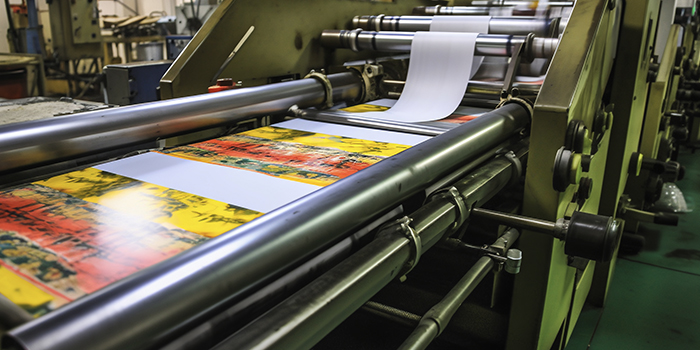
Behind the scenes, automation is revolutionizing the manufacturing process in the notebook industry. The introduction of advanced machinery for cutting, binding, and printing has increased production efficiency and consistency. Automated quality control systems ensure that every notebook meets stringent standards, minimizing defects and waste. This shift not only enhances the manufacturing process but also allows companies to respond swiftly to market demands and consumer preferences.
Conclusion
The notebook industry is at the forefront of innovation, embracing technology and advanced manufacturing techniques to meet the changing needs of consumers. From smart notebooks that blend digital and analog writing to sustainable materials and personalized designs, the landscape is evolving rapidly. As the industry continues to innovate, consumers can expect even more exciting developments that enhance their writing experience while addressing environmental concerns. The future of notebooks looks promising, driven by a commitment to quality, sustainability, and user-centered design.