

When it comes to selecting the perfect notebook, one of the most important yet often overlooked factors is the type of binding. Whether you're using it for personal journaling, professional note-taking, or even for custom-branded corporate gifts, the binding method can significantly affect both the functionality and longevity of your notebook. In this post, we’ll explore the three most common types of notebook bindings—spiral, sewn, and glue—and help you choose the right one based on your needs.
1. Spiral Binding: Flexible and Durable
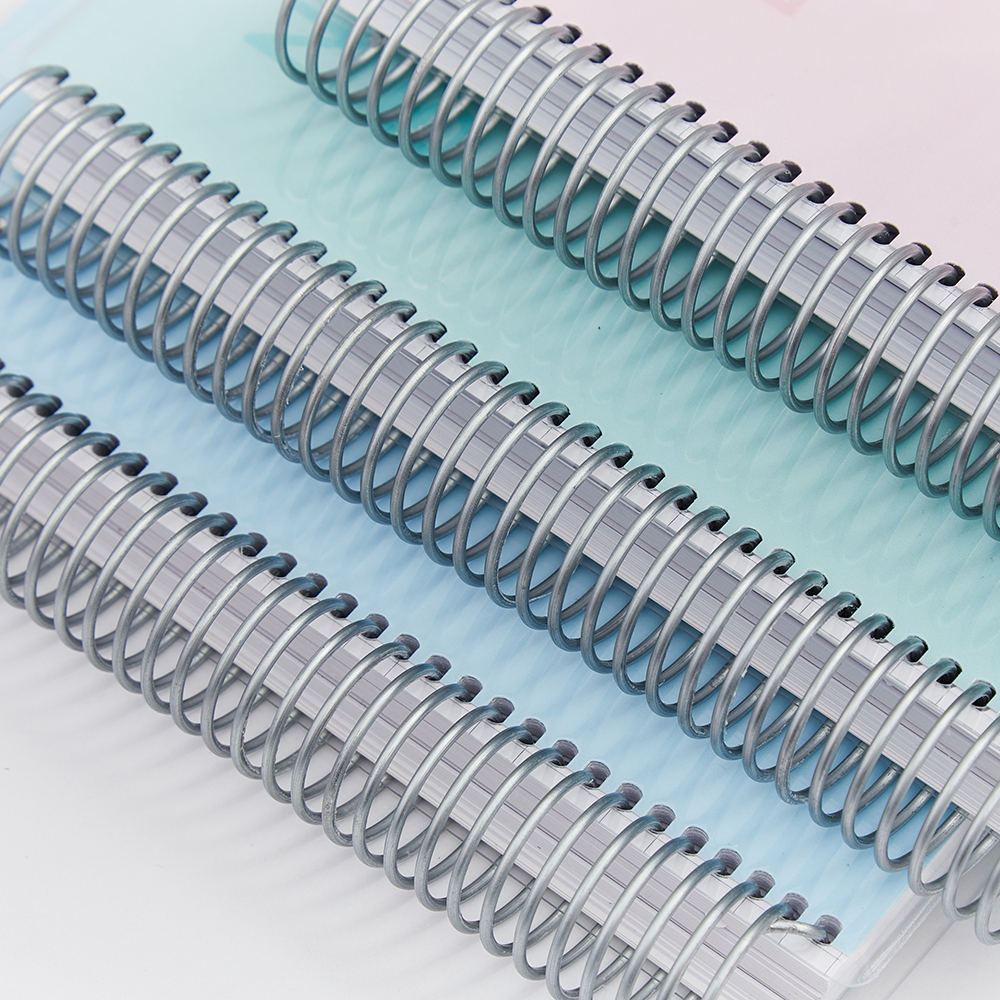
Spiral binding involves a coil of metal or plastic threaded through small holes along the edge of the notebook’s pages. This method is one of the most common for notebooks, especially in schools, offices, and brainstorming sessions.
Pros:
- 360° Accessibility: Spiral notebook can open completely flat, making it easy to write across the entire surface of the page.
- Durability: Spiral binding can handle frequent use and bending without falling apart, making it ideal for notebooks that need to endure heavy handling.
- Customization: Spiral bindings come in various materials and colors, offering flexibility in design.
- Ease of Page Removal: Pages can often be torn out with ease, which is perfect for those who need to remove notes or drawings.
Cons:
- Bulkier: Spiral bindings can add thickness, which may not be ideal for those seeking a slim profile.
- Potential for Unraveling: Over time, the coil can loosen, causing pages to separate.
Best for: Students, office workers, and artists who need a durable, flexible notebook for regular use or prefer easy page removal.
2. Sewn Binding: Strength and Elegance
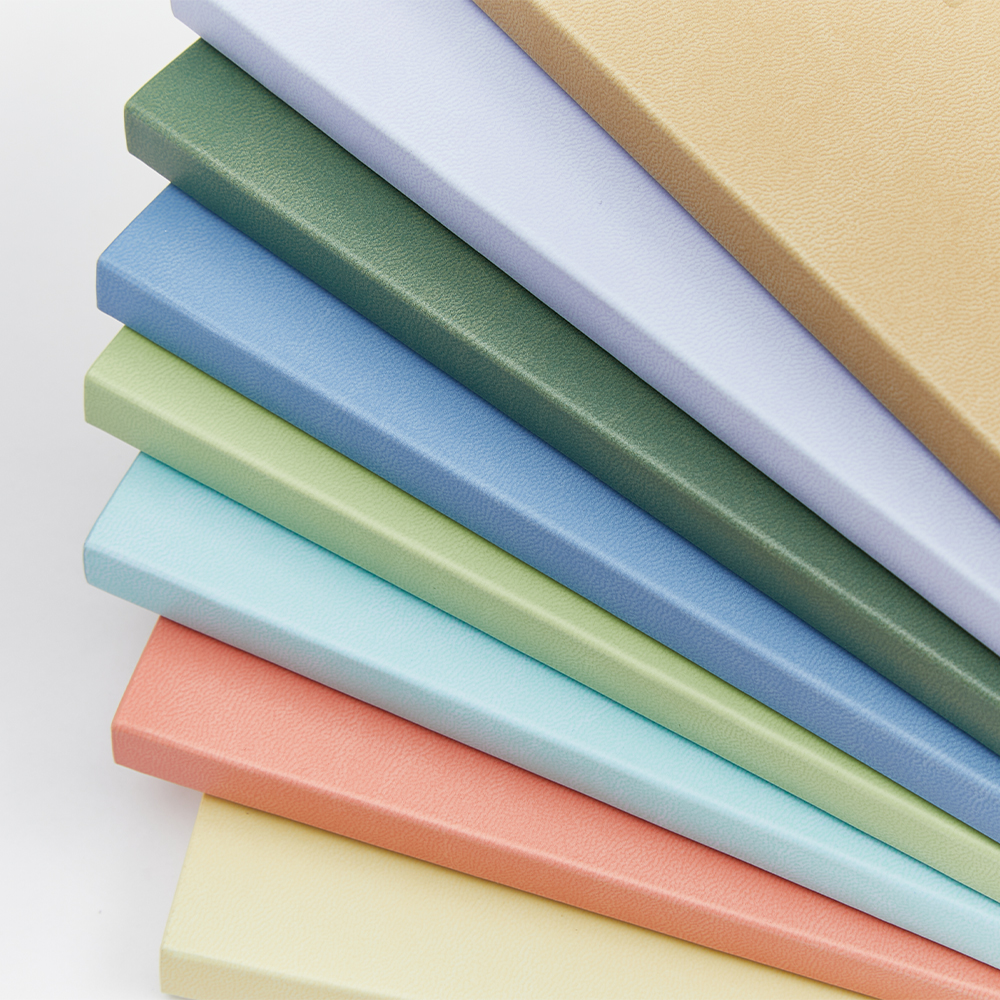
Sewn binding notebook, also known as "stitching," involves threading a strong thread through holes in the spine of the notebook to bind the pages together. This is typically used in high-quality hardcover notebooks and journals.
Pros:
- Long-lasting: Sewn bindings are incredibly durable and won’t loosen over time like spiral bindings. The pages are stitched together, making them ideal for heavy use.
- Flat Opening: Many sewn-bound notebooks lay flat, making them perfect for writing or drawing across both sides of the page.
- Aesthetic Appeal: Sewn binding gives the notebook a sophisticated, crafted look, making it popular for luxury or premium notebooks.
- Professional Feel: Ideal for journals, planners, and corporate notebooks due to its formal appearance.
Cons:
- Less Flexibility: Unlike spiral-bound notebooks, sewn ones can't open fully backward without potentially damaging the spine.
- Higher Cost: Due to the more labor-intensive process, sewn binding is often more expensive than spiral or glue bindings.
Best for: Professionals, travelers, or anyone seeking a premium, long-lasting notebook with a refined feel.
3. Glue Binding: Clean and Cost-effective
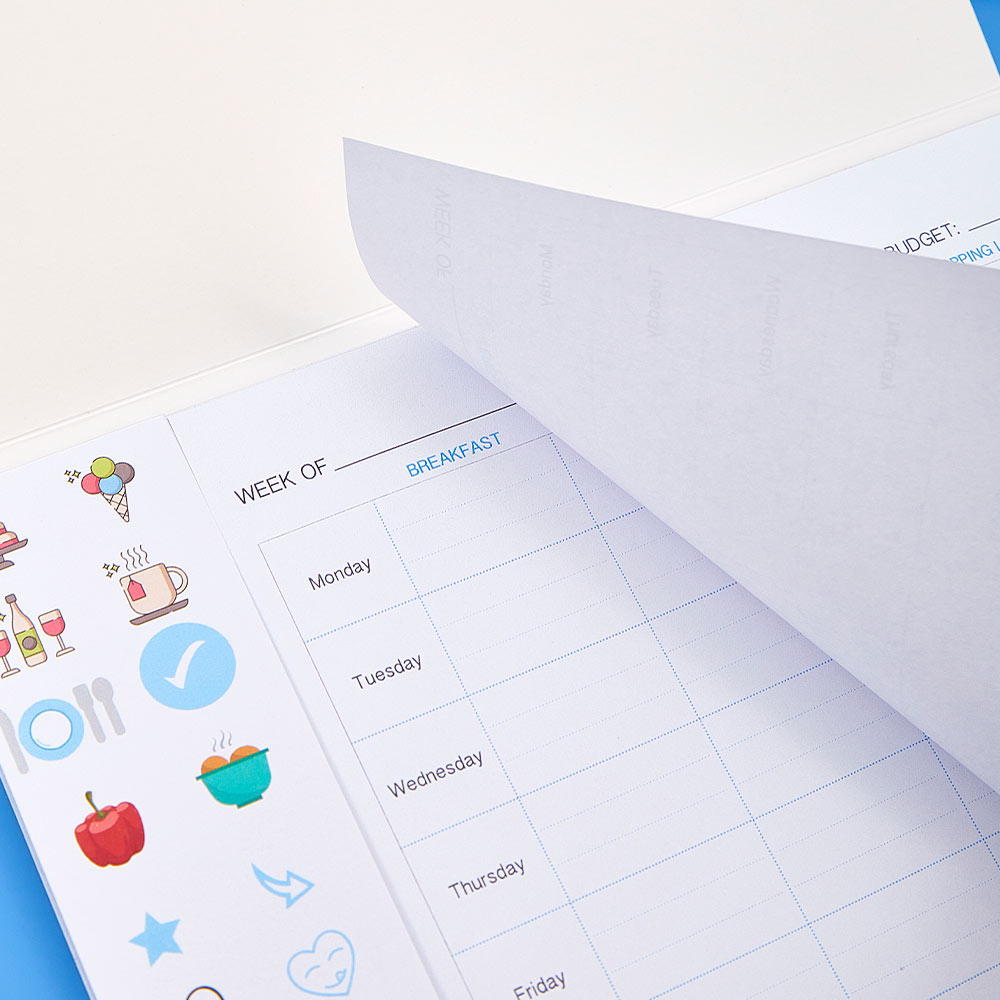
Glue binding, also known as "perfect binding," involves gluing the pages together at the spine. This method is often used for softcover books, planners, and notebooks that require a clean, seamless finish.
Pros:
- Sleek and Slim: Glue binding results in a smooth, streamlined spine, giving the notebook a minimalist, clean look.
- Cost-effective: It’s one of the least expensive binding options, ideal for mass production or budget-conscious consumers.
- Customizable Covers: Since there’s no coil or stitching visible, the cover can be fully customized with artwork, logos, or branding.
Cons:
- Limited Durability: Over time, glue can weaken, especially with frequent use, causing the pages to begin falling out.
- Less Flexibility: It’s harder to open the notebook flat, particularly if the binding is not of high quality.
- Not Ideal for High-page Count: Glue binding may not hold as well with thicker notebooks, as the glue can struggle to secure a large number of pages.
Best for: Budget-conscious buyers or those looking for a sleek, minimalist notebook for lighter use, like journals or promotional items.
How to Choose the Right Binding for Your Needs
Now that we’ve covered the pros and cons of each binding method, here’s a quick guide to help you decide which one is right for you:
- For Durability and Flexibility: If you need a notebook that can handle a lot of use and remain intact for a long time, choose spiral binding. It’s great for students, professionals, or anyone who needs a workhorse notebook.
- For Luxury and Durability: If you’re after a premium notebook that feels sophisticated and lays flat for easy writing, sewn binding is the way to go. It’s perfect for journals, planners, and corporate gifts.
- For Cost-effectiveness and Simplicity: If you’re working with a tight budget or need a sleek, minimalist notebook, glue binding offers a cost-effective solution. It’s ideal for lighter use or promotional purposes.
Final Thoughts
The type of binding you choose will largely depend on how you intend to use the notebook, your budget, and your aesthetic preferences. Whether you prefer the flexibility of spiral binding, the durability and elegance of sewn binding, or the sleek simplicity of glue binding, there’s a binding method that’s perfect for your needs.